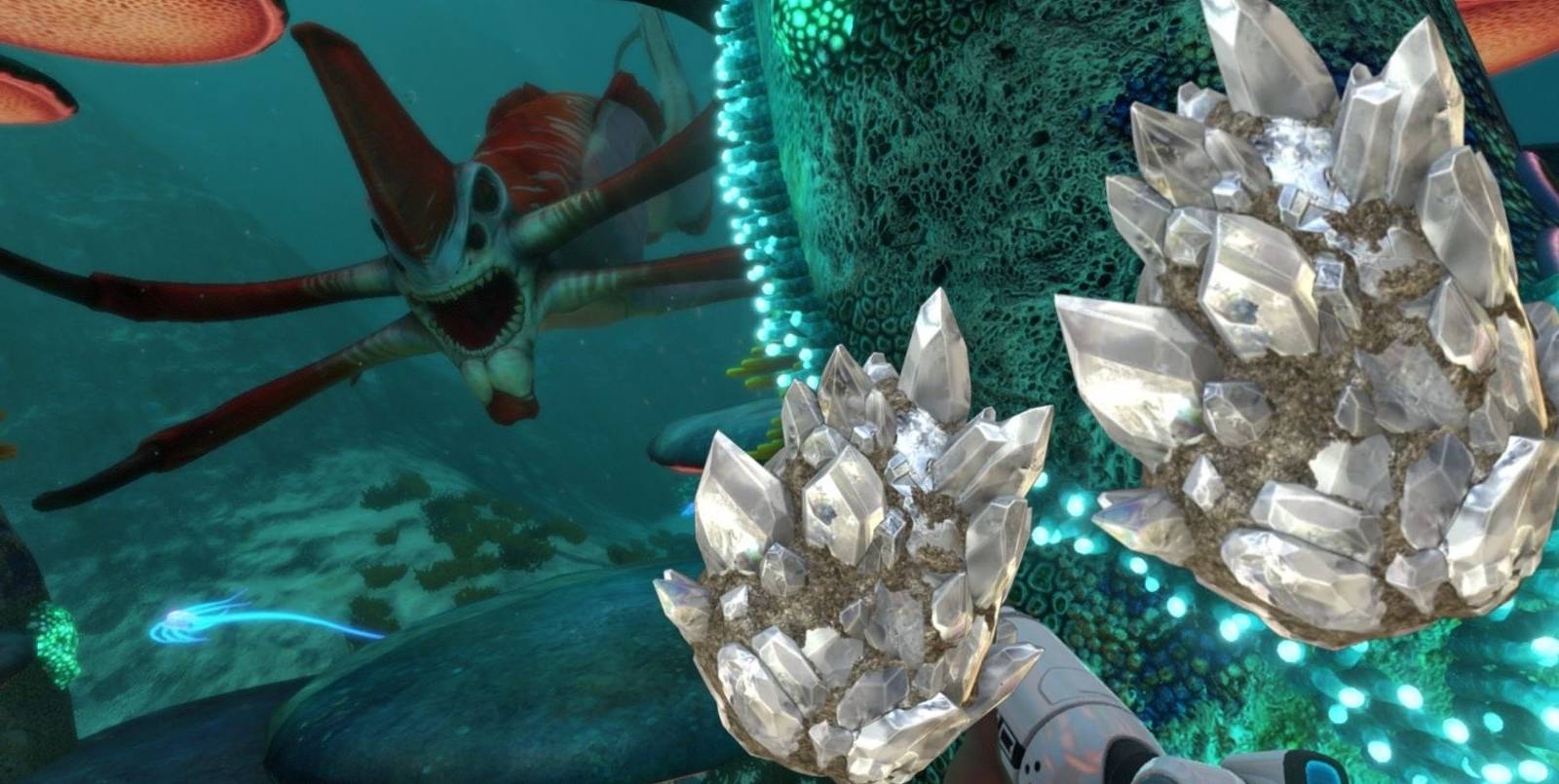
Unlock Subnautica Upgrades: Your Guide to Finding Diamonds
In the vast, alien ocean of Subnautica, mere survival is just the beginning of your journey. While evading monstrous leviathans and managing your oxygen supply are paramount, true progression comes from leveraging the depths to enhance your capabilities. To move beyond the basics and unlock advanced technologies, you'll need to seek out one of the most vital crafting resources: diamonds. This guide will illuminate the path to acquiring these precious gems, transforming your desperate struggle for survival into an exciting saga of exploration and technological advancement. Understanding where to find Subnautica Diamant is the key to unlocking your full potential.
The Enduring Value of Subnautica Diamant
Diamonds are not just shiny trinkets in Subnautica; they are the bedrock of mid to late-game crafting and vehicle upgrades. Early access to diamonds can drastically alter your gameplay experience, providing crucial tools that make exploration safer and more efficient. Imagine cutting through sealed doors, surviving deeper pressure, or customizing your vehicles for peak performance – all made possible by this single resource.
Here’s a glimpse at some of the indispensable items and upgrades requiring diamonds:
- Laser Cutter: Essential for accessing new areas and retrieving valuable salvage from wrecks.
- Reinforced Dive Suit: Increases your crush depth and provides significant protection against environmental hazards.
- Reinforced Gloves: Reduces damage taken from aggressive fauna and some environmental hazards.
- Modification Station: Allows you to upgrade existing tools and equipment, pushing their capabilities further.
- Mobile Vehicle Bay: The ultimate portable crafting station for building the Seamoth and Prawn Suit, though the bay itself doesn't use diamonds, their upgrades certainly do!
- Vehicle Upgrades: Both the beloved Seamoth and the powerful Prawn Suit require diamonds for crucial upgrades like depth modules, arm attachments, and advanced maneuverability systems.
The sooner you learn where to reliably harvest Subnautica Diamant, the quicker you can transform your basic gear into formidable equipment, enabling you to dive deeper, explore further, and tackle the ocean's many challenges with confidence.
Where to Hunt for Diamonds: Early Game Strategies
Finding diamonds doesn't necessarily mean venturing into the most dangerous biomes right away. While they become more abundant in deeper, more hazardous zones, there are excellent early-game opportunities to gather this precious resource.
Identifying and Harvesting Shale Outcrops
The primary source of diamonds throughout the game comes from shale outcrops. These distinct rocky formations are scattered across the seafloor and cling to the sides of geological structures. Keep a keen eye out for them – they often appear as irregular, darker grey or brownish rocks embedded in the terrain. To harvest, simply click on them with your mouse or interaction button. Shale outcrops have a randomized drop chance, yielding either lithium, gold, or, ideally, diamonds. Persistence is key!
Occasionally, you might also find loose diamonds lying directly on the seabed. While less common than harvesting from outcrops, it's always worth keeping your eyes peeled for standalone gems glinting in the deep.
The Aurora Path: A Prime Early-Game Spot
For those just starting their Subnautica adventure, an excellent and relatively safe early-game diamond hunting ground is near the majestic, yet ominous, Aurora spaceship. From your Lifepod's initial spawn point, orient yourself and head towards the Aurora. Your compass will indicate you are traveling in a southeastern direction. Aim for the middle section of the ship, consciously avoiding its engines and the hostile fauna lurking around its rear.
As you approach the Aurora, you'll notice the seafloor gradually becoming shallower and more sandy. It is in these sandy shallows, leading up to the ship's massive hull, where you should begin your hunt. While shale outcrops can appear almost anywhere, this area often presents a slightly higher concentration, making it a rewarding destination for your initial diamond haul. Remember to bring a scanner to quickly identify potential resource nodes, and prioritize crafting a Laser Cutter and Reinforced Dive Suit with your first finds to open up even more opportunities. For more detailed strategies on acquiring this vital resource, check out our How to Find Diamonds in Subnautica: Early & Late Game Guide.
Late Game Diamond Farming: Advanced Tactics
As you progress and upgrade your vehicles, deeper and more efficient diamond farming methods become available, drastically increasing your acquisition rate.
Following the Sea Treader Leviathans
One of the most effective and fascinating late-game methods involves the colossal, long-legged creatures known as Sea Treader Leviathans. These mostly passive giants roam specific biomes, and their massive footsteps literally kick up resources from the seafloor. Each stomp can dislodge anywhere from zero to three pieces of shale, making them mobile diamond-generating machines!
To capitalize on this, simply follow a Sea Treader from a safe distance. They are generally peaceful, but getting directly in their path can provoke an attack, so maintain a respectful distance. A Seamoth or Prawn Suit is ideal for this task, allowing you to quickly collect the shale outcrops they dislodge and providing a safe vantage point. You'll find Sea Treader Leviathans predominantly in the:
- Grand Reef
- Sea Treader's Path
- Sea Treader's Tunnel Caves
Armed with an upgraded Seamoth or Prawn Suit, following these leviathans can reward you with an astonishing amount of shale, and by extension, a steady supply of Subnautica Diamant.
Deep Biomes and Vehicle Upgrades
Beyond the Sea Treaders, the deepest and most dangerous biomes often hold the highest concentrations of diamonds, typically within shale outcrops or larger resource deposits that require a Prawn Suit drill arm. However, accessing these zones requires significant preparation:
- Depth Modules: Essential for your Seamoth and Prawn Suit to withstand extreme pressures.
- Reinforced Dive Suit: Provides personal protection against pressure and environmental hazards.
- Oxygen Tanks & Rebreather: Maximize your underwater time.
- Scanner Room: Building a Scanner Room in a strategic location can highlight resource nodes, including shale outcrops, making targeted farming much easier.
These advanced areas are rich in resources but also host some of Subnautica's most formidable predators. Always proceed with caution and ensure your vehicle and personal gear are fully upgraded before venturing into the deep.
Comprehensive List of Diamond Spawning Biomes
While shale outcrops can indeed be found in numerous locations, some biomes are more renowned for their diamond yield, especially as you gain the ability to dive deeper. Knowing these spots will help you plan your expeditions more effectively.
Here's a list of areas known to spawn shale outcrops containing diamonds:
- Blood Kelp Caves
- Blood Kelp Zone
- Bone Fields
- Bulb Zone
- Bulb Zone Caves
- Crag Field
- Crash Zone Mesas
- Deep Sparse Reef
- Ghost Forest
- Grand Reef
- Grand Reef Caves
- Inactive Lava Zone
- Inactive Lava Zone Corridor
- Jellyshroom Cave
- Mountain Island (especially its deeper sections)
Each of these biomes presents unique challenges and opportunities. For instance, the Jellyshroom Cave offers diamonds alongside other valuable resources in a visually stunning, yet claustrophobic, environment, while the Inactive Lava Zone requires peak vehicle upgrades to even survive. Always be prepared for the specific dangers each zone presents.
Tips for Efficient Diamond Acquisition
- Prioritize a Scanner: Always have a scanner handy. It's invaluable for identifying shale outcrops and other resources.
- Manage Inventory: Diamonds and the other resources from shale outcrops (lithium, gold) can quickly fill your inventory. Plan your trips and bring enough storage space, especially when following Sea Treaders.
- Safety First: The ocean is a dangerous place. Always be aware of your surroundings, monitor your oxygen and vehicle integrity, and be prepared to flee from aggressive fauna. Upgraded vehicles and a Reinforced Dive Suit are crucial for deeper dives.
- Lights & Night Vision: Many diamond-rich areas are deep and dark. Ensure your vehicles have adequate lighting, and consider crafting a Headlamp or using the Prawn Suit's built-in lights.
- Patience and Persistence: Since shale outcrops have randomized drops, it might take a few attempts to get diamonds. Don't give up!
- Know Your Needs: Keep track of the upgrades you want. This will help you decide if you need just a few diamonds or a dedicated farming run for a larger project.
To understand all the powerful applications of this precious gem, refer to our Subnautica Diamond Farming: Top Locations & Crafting Uses.
Conclusion
Diamonds are more than just a rare resource in Subnautica; they are the catalyst for innovation and deep-sea exploration. From crafting the essential Laser Cutter to upgrading your Seamoth and Prawn Suit for extreme depths, every piece of Subnautica Diamant you acquire propels you closer to unraveling the planet's mysteries and, ultimately, your escape. By utilizing the early-game strategies near the Aurora and later leveraging the power of Sea Treader Leviathans and deep-sea exploration, you'll soon have a thriving stockpile of these invaluable gems, ready to transform your base and vehicles into the ultimate tools for conquering the alien ocean. Dive deep, explore wisely, and may your inventory always be full of diamonds!